Dus Pattay
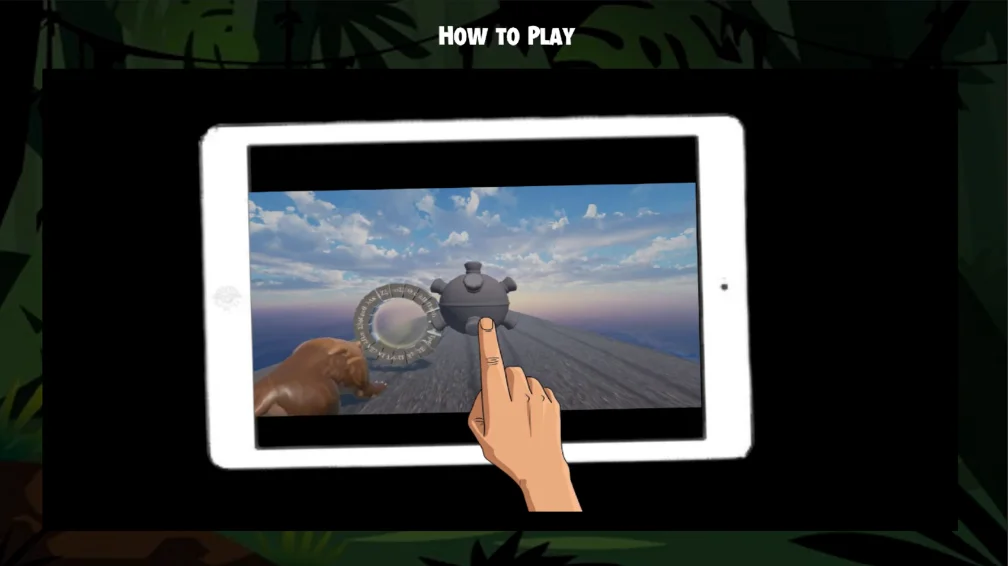
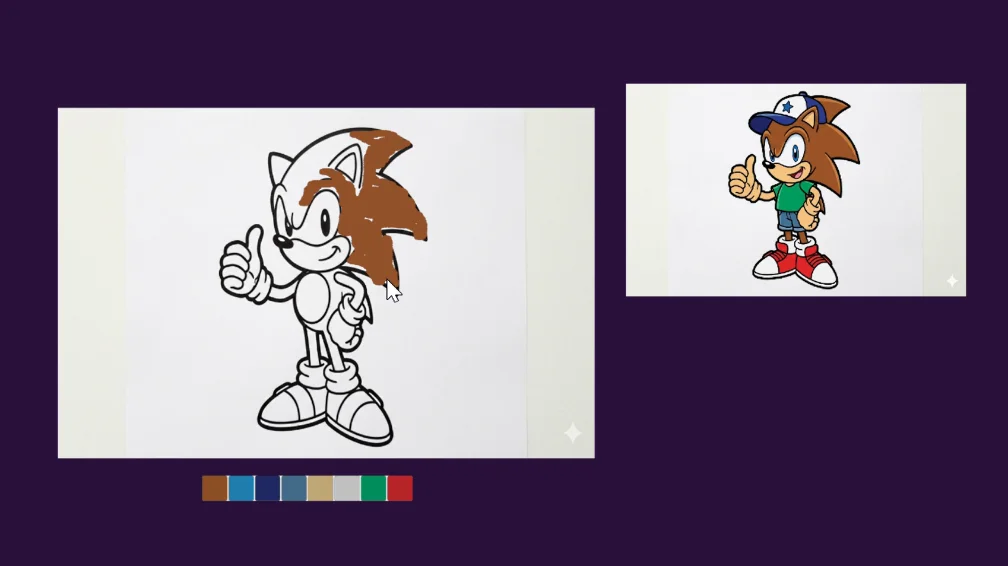
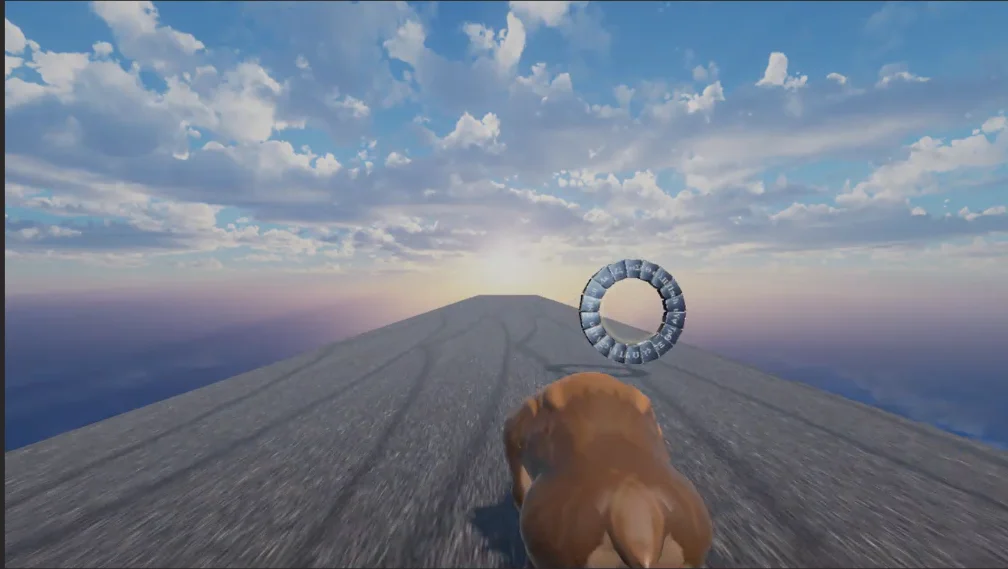
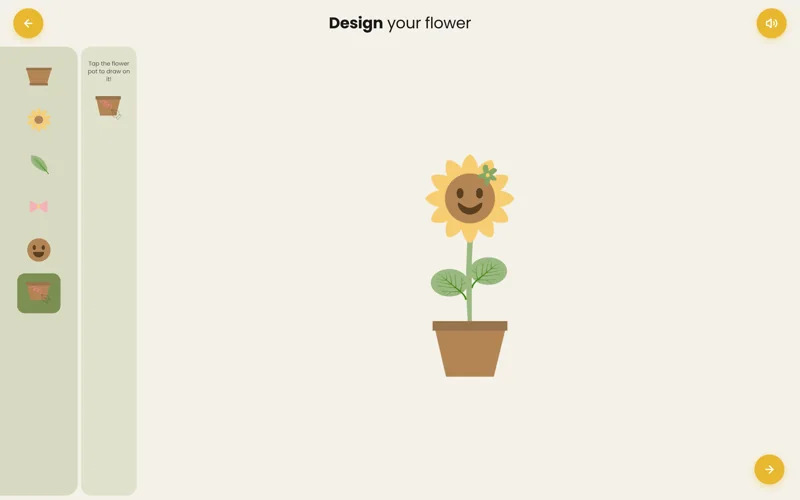
A 20-minute tablet game that helps flag ADHD risk in children aged 8–12
Read the case study →Open to UI, UX research & front-end roles
 Projects · 01 / 05
Dus Pattay
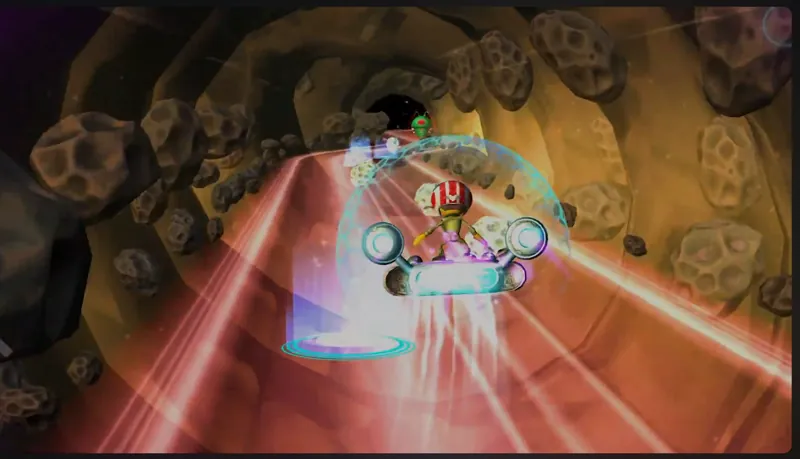
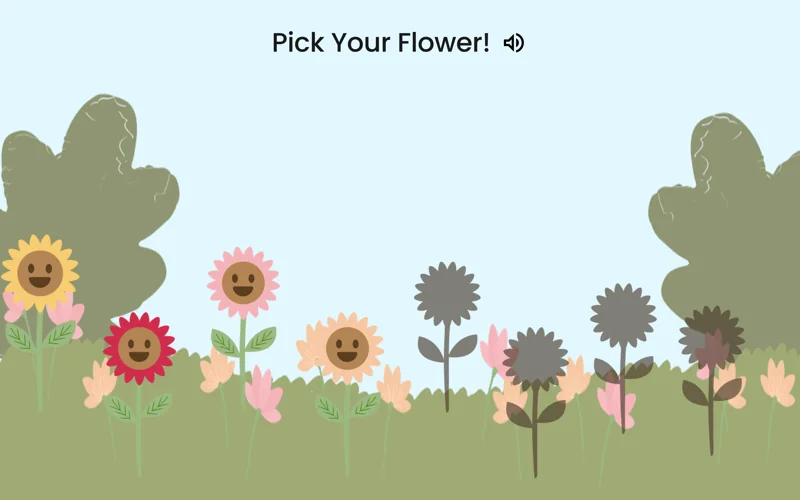
ADHD screening through play →
A 20-minute tablet game that helps flag ADHD risk in children aged 8–12
Read the case study →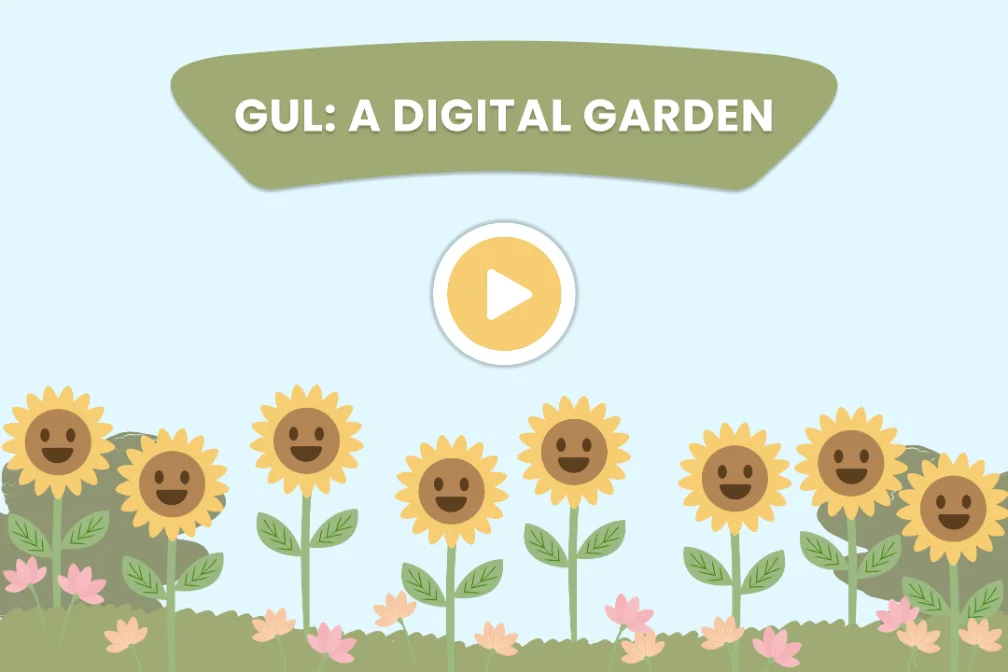
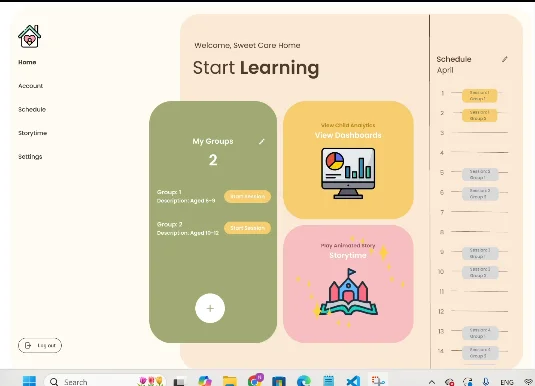
An audio guided socio-emotional learning app for children in orphanages.
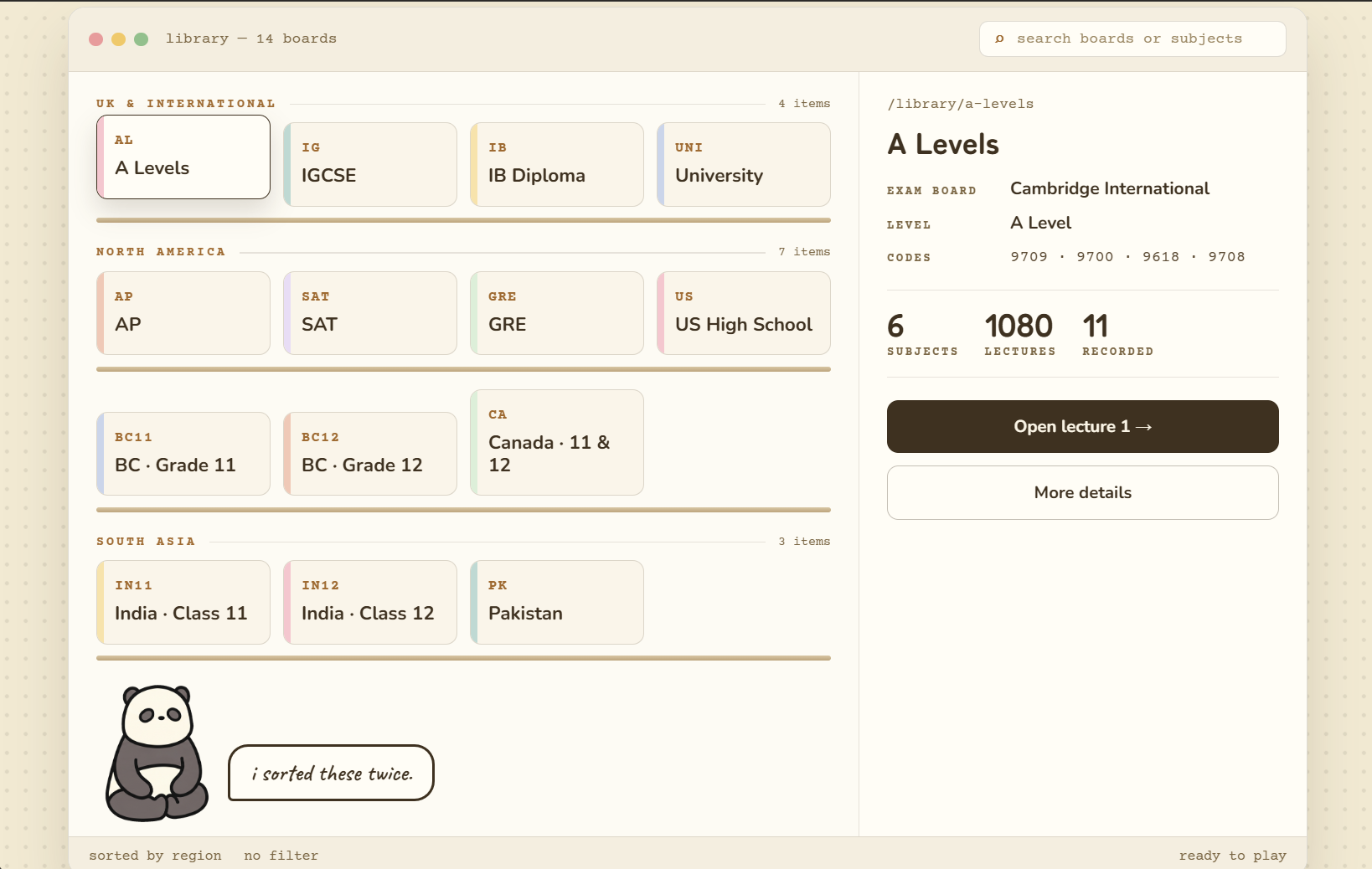
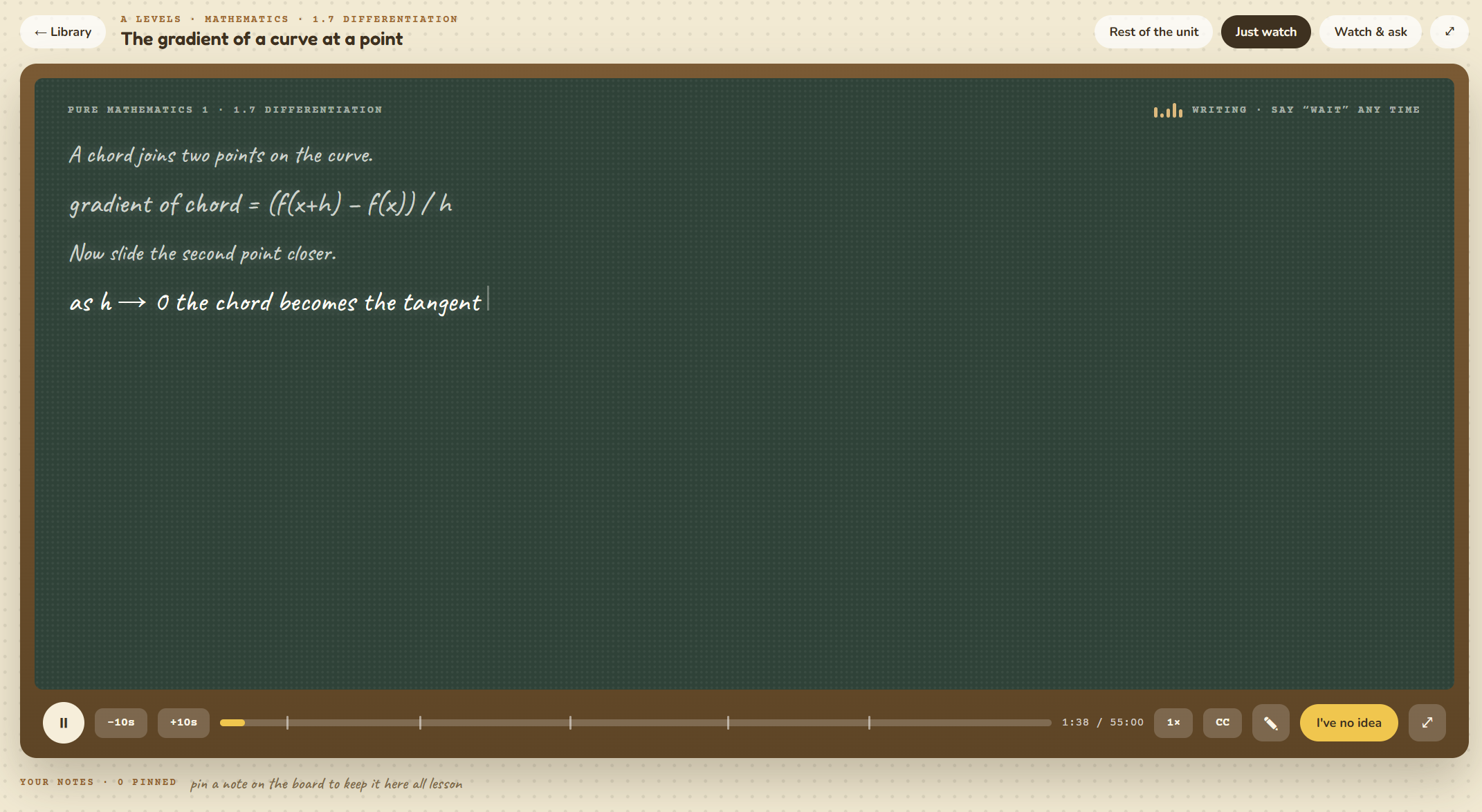
Read the case study →The UI for an AI tutor website: a library of exam boards, and chalkboard lessons where a student can say “wait” or tap “I’ve no idea” at any point.
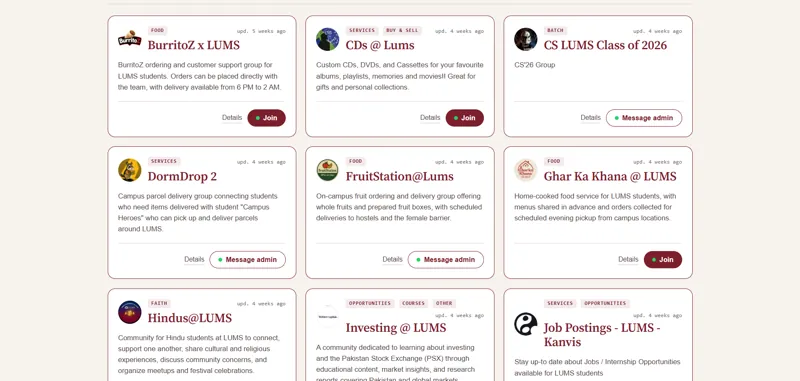
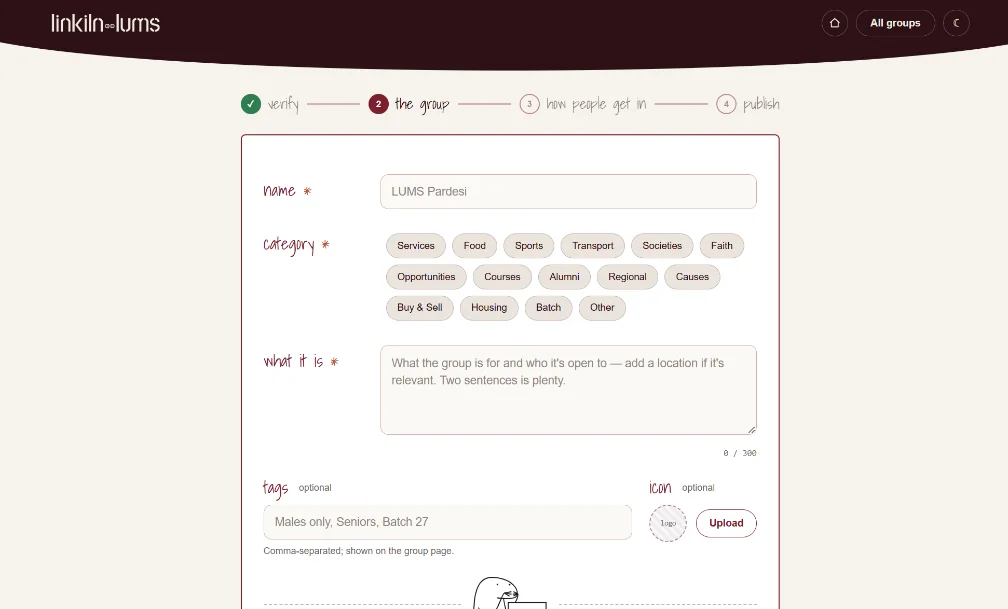
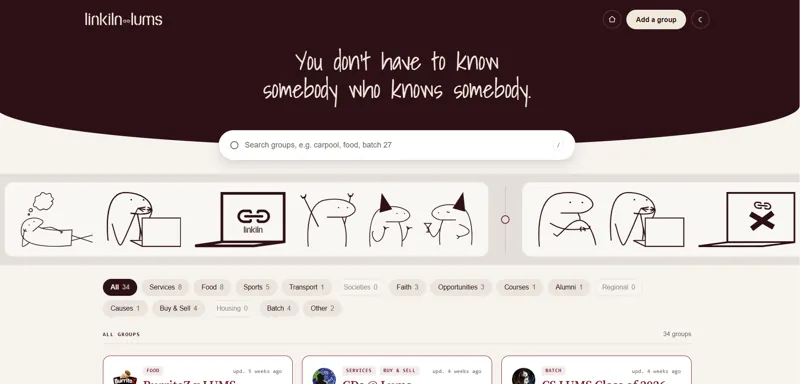
Read the case study →A student -led website built to contain all of LUMS' WhatsApp group links for LUMS students.
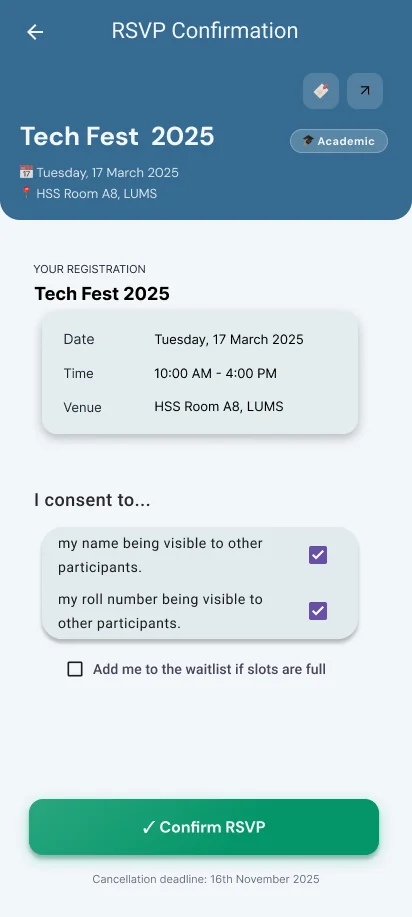
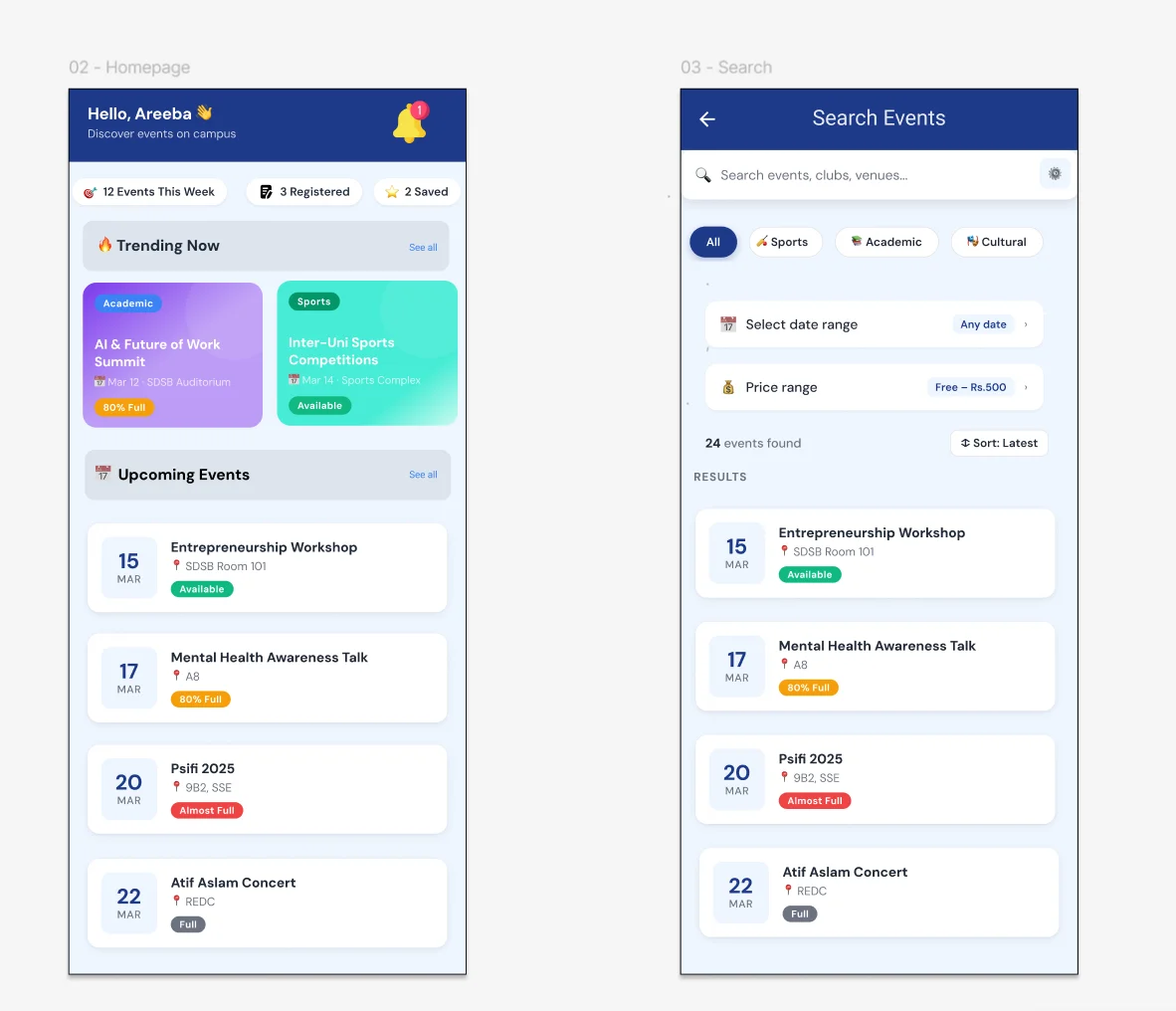
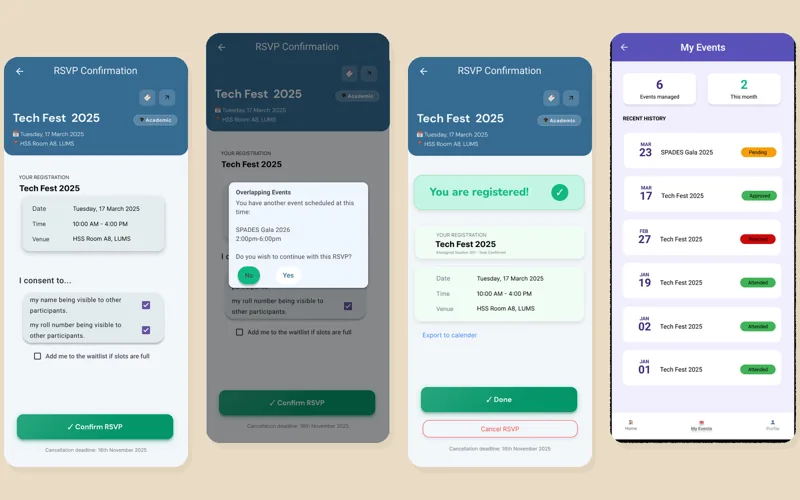
A campus event discovery app built for university students. Covers several functionalities such as an RSVP flow, an overlap check, privacy choices, calendar export, and reminders a day and an hour before.
Read the case study →also built
Coursework · 06
Alongside computer science I took courses at the School of Education and the business school.
With a partner, I designed an original learner case (a child’s symptom history, academic skill gaps and classroom behaviour) and presented an academic and a behavioural intervention plan, including how each would work in a classroom.
The brief was to fix a real campus problem without spending any money. I found 31 course-swap requests on the student forum and more than 58 in one batch WhatsApp group, where whether a request got noticed came down to luck. I focused on fairness and built a first-come-first-served matcher with Google Forms and Apps Script that emails both students Accept/Decline buttons.
Self-determination, expectancy-value and goal theory, the motivation theories that gamification is built on. Assessed through a case analysis and an eight-minute presentation.
Applied behaviour analysis (ABA) for classrooms, worked through realistic teaching cases: judging teaching styles against a behavioural definition of teaching, auditing a new teacher’s plan against the seven dimensions of ABA, writing objective definitions of target behaviours, and choosing reinforcement schedules.
A philosophy of education seminar, from Al-Farabi and Aristotle to Kant and Iqbal. My last reflection proposed replacing a label-the-parts biology lesson with one where students observe a living plant change.
Equity, diversity and inclusion in organisations. My report on Red Rising looked at inequality at three levels (laws, institutions and everyday language) and compared it with the world today. I also presented it in class.
Unlike many, I was not passionate about Computer Science when I first joined my degree. After meandering through several different fields of Computer Science during my journey at LUMS; such as Machine Learning, Networks, Data Science and Operating Systems, I finally found Human-Computer Interaction.
Reading research papers, doing primary research, designing in Figma to solve a problem faced by users is a process I thoroughly enjoy. It involves a good blend of technology and humans, a rare case of them working together. What I like most, is that no one shoe fits all, in design. Every design has many ways to be approached and the rest is up to your imagination.
I took six education courses alongside computer science, on inclusion for autism and intellectual disability, motivational theories and what drives motivation in humans, and behavioral analysis. Coincidentally, both my major projects aided from this knowledge on children.
These days I’m in Riyadh, open to work in person or remotely.
I read the research and write a problem statement until it’s clear exactly what we’re solving, and what’s already been tried around the world.
Next comes finding users, getting permissions, following up with people and interviewing them. I’m comfortable talking to people, which helps a lot here.
I collect a mood board of the feeling I’m after, design the key components in Figma, and use AI tools like Claude Design to speed up layout.
Users often struggle with things that seemed obvious to me. I note where they get stuck, simplify, and go back to the design.
my favourite part: naming things
I like names with a meaning behind them. Dus Pattay (“ten leaves”) has ten phases and is named after a children’s rhyme, whose verses could become new levels later.
Open to UI design, UX research and front-end roles and projects, in Riyadh or remote.